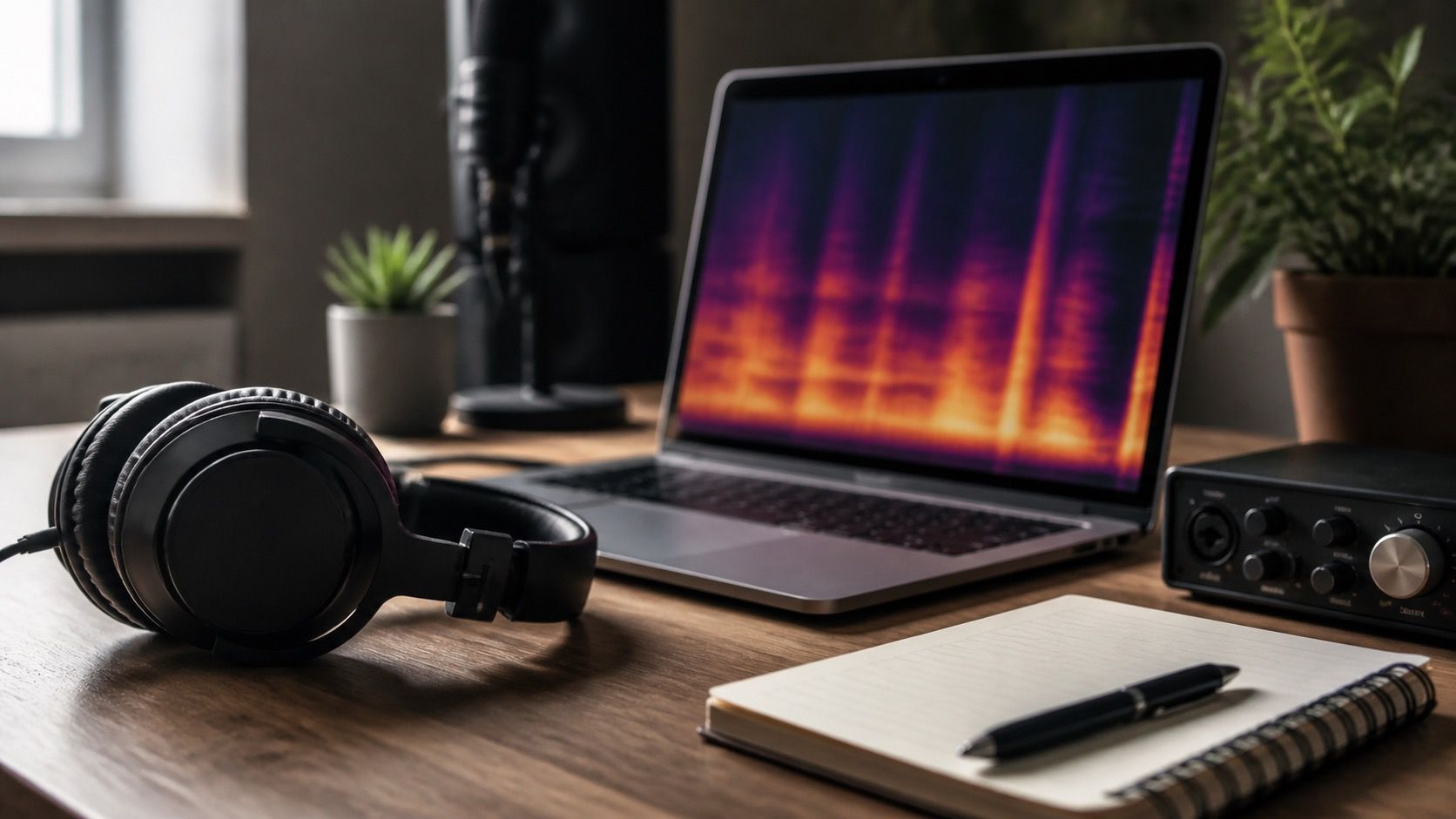
Image to audio spectrogram searches often mix up two different things: using a picture to understand sound and trying to turn a picture back into sound. For music cleanup, that difference matters a lot.
A spectrogram image is usually not the audio
Start with a short pass through the unprocessed export and write down what actually bothers you. In this case the common signs are confusion between a visual spectrogram image and the original audio, missing phase information, low image resolution, and converter pages that overpromise. Those details matter because each one asks for a different repair. A metallic vocal edge does not need the same treatment as low-level hum, and codec haze should not be chased with the same settings as a click or a clipped transient.
Keep the first judgement practical. Loop the worst chorus, one exposed verse line, and the final ten seconds. Listen once on headphones and once on speakers at a modest level. If the issue only appears when the track is extremely loud, the fix may belong in mastering rather than the cleanup stage.
Why reconstruction loses important information
A reliable workflow begins with restraint: treat ordinary images as visual notes, keep the original audio file, and use reconstruction demos only for experiments or sound design. Save each pass as a new file or session version, because AI music can react strangely to broad processing. A setting that improves one phrase may make the next phrase phasey, breathless, or too smooth.
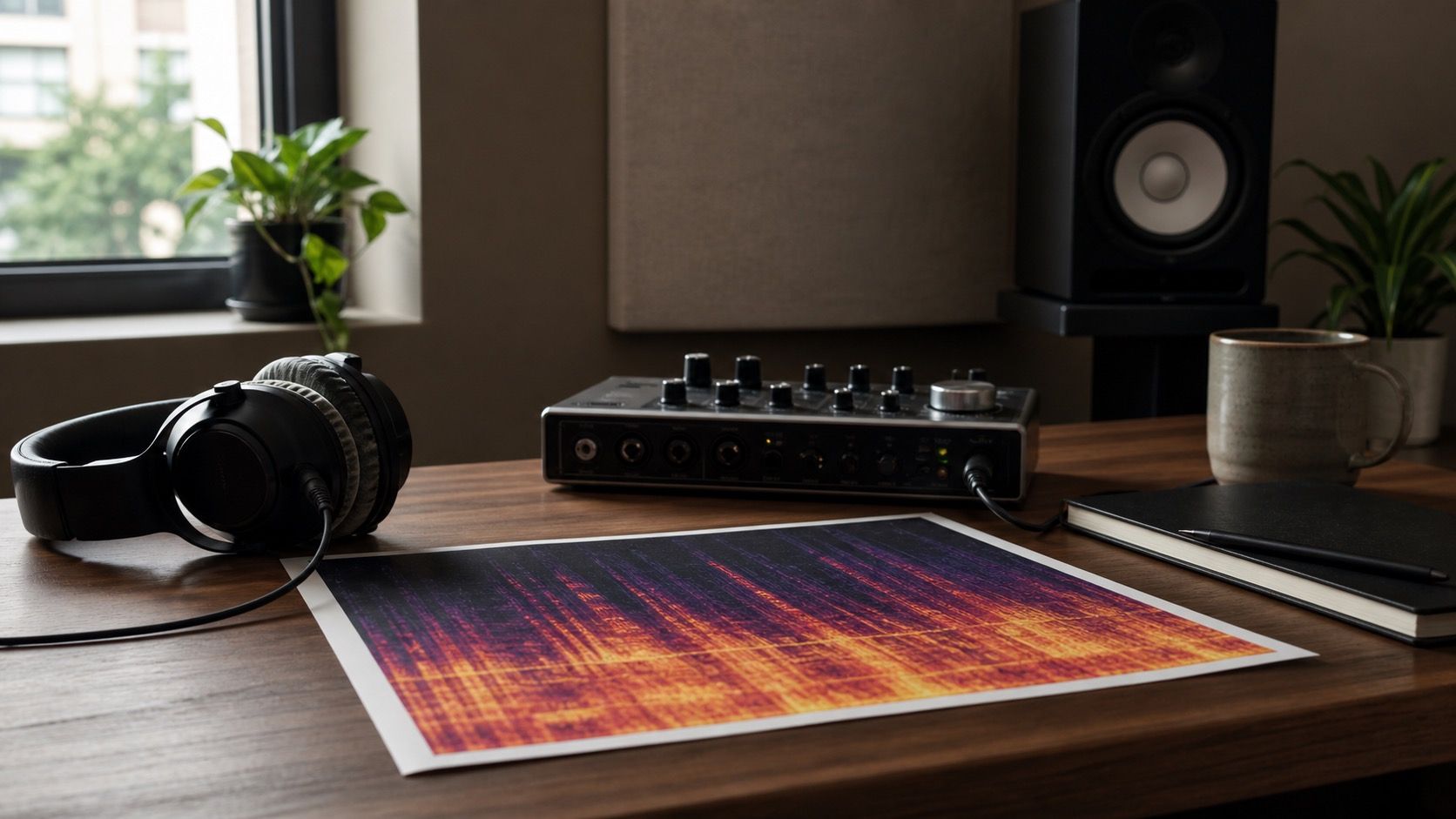
A normal spectrogram image is usually evidence, not the recording itself. It may show where energy existed, but it does not preserve all phase, timing, and resolution details needed for a faithful rebuild.
When image-to-audio demos make sense
The practical toolset for this job includes audio analysis, educational image-to-sound demos, encoded spectrogram art, session screenshots, and secure audio archives. Work in small moves and toggle the processor often. For example, a dynamic band can catch a harsh consonant only when it appears, while a static cut removes the same frequency from the whole vocal. That difference is what keeps a repaired track from sounding processed.
Use metering as a second opinion. A spectrogram can show a narrow whistle, a repeated vertical click, or a high-frequency shelf that disappears after compression. It cannot tell you whether the chorus still feels emotional. When the picture and the ear disagree, trust the listening test but use the picture to choose where to listen again.
How this differs from normal audio analysis
A normal spectrogram image is not a complete archive of the track. This is where many repairs go wrong. Producers hear an irritating edge, add a stronger plugin, then add more makeup gain, and suddenly the artifact is quieter but the track has lost depth. Level-match the before and after files before deciding that the processed version is better.
Listen again for missing phase, resolution loss, visual-only image, educational demos, privacy. These details show whether the repair is working in the song rather than only inside a short solo loop. A good repair makes the problem less distracting during the song, not only inside a two-second solo loop.
Safer ways to archive audio evidence
| Situation | Better first move | Risk to avoid |
|---|---|---|
| Fast check | Use one short reference passage and repeat the same settings. | Judging a whole workflow from a random preview. |
| Release prep | Keep the original export and compare processed copies at equal loudness. | Replacing a rights or metadata issue with audio processing. |
| Detailed repair | Work from the most audible artifact, then confirm with image to audio spectrogram, spectrogram image, audio reconstruction, converter. | Fixing the graph while damaging the song. |
Keep notes in plain language. Write things like 'verse S sounds brittle', 'chorus cymbal wash masks vocal', or 'MP3 preview loses the air after 12 kHz'. Those notes are faster to use than plugin screenshots when you return to the session later.
What to search for instead
If you need the music later, archive the audio, not only the picture. A practical stopping rule helps: if two careful passes do not make the track clearly easier to hear, stop processing and reconsider the source. For AI music, the cleanest result often comes from a better generation, a shorter arrangement, or a changed prompt rather than another layer of restoration.
Before exporting, leave enough headroom, avoid clipping the repaired file, and make one archive copy before delivery compression. Then listen from the top without watching meters. If the song feels natural enough that you stop thinking about the repair, the cleanup has done its job.
For practical cleanup notes, keep the original audio file next to the exported spectrogram image. The image can help you remember where a burst, gap, or high-frequency haze appeared, but the audio file is what preserves timing, depth, and phase. That simple habit prevents a visual diagnostic from being mistaken for a recoverable source.
A small repeatable checklist
Use the same short checklist every time: original export saved, loudness matched, worst section marked, missing phase checked in context, headphones and speakers compared, and release copy exported from the cleanest version. This keeps the session calm and prevents the repair from turning into random plugin changes.
The checklist also protects the musical parts of the track. If the hook, rhythm, and vocal feeling are still intact after repair, the file is moving in the right direction. If those parts become smaller, flatter, or less believable, undo the last move and solve a narrower problem.
For a final pass, compare the repaired file with one commercial reference only for balance and comfort, not for identical tone. AI exports often have different depth, stereo behavior, and transient shape. The useful question is simple: does this version let the listener focus on the song instead of confusion between a visual spectrogram image and the original audio? If yes, stop while the track still breathes.